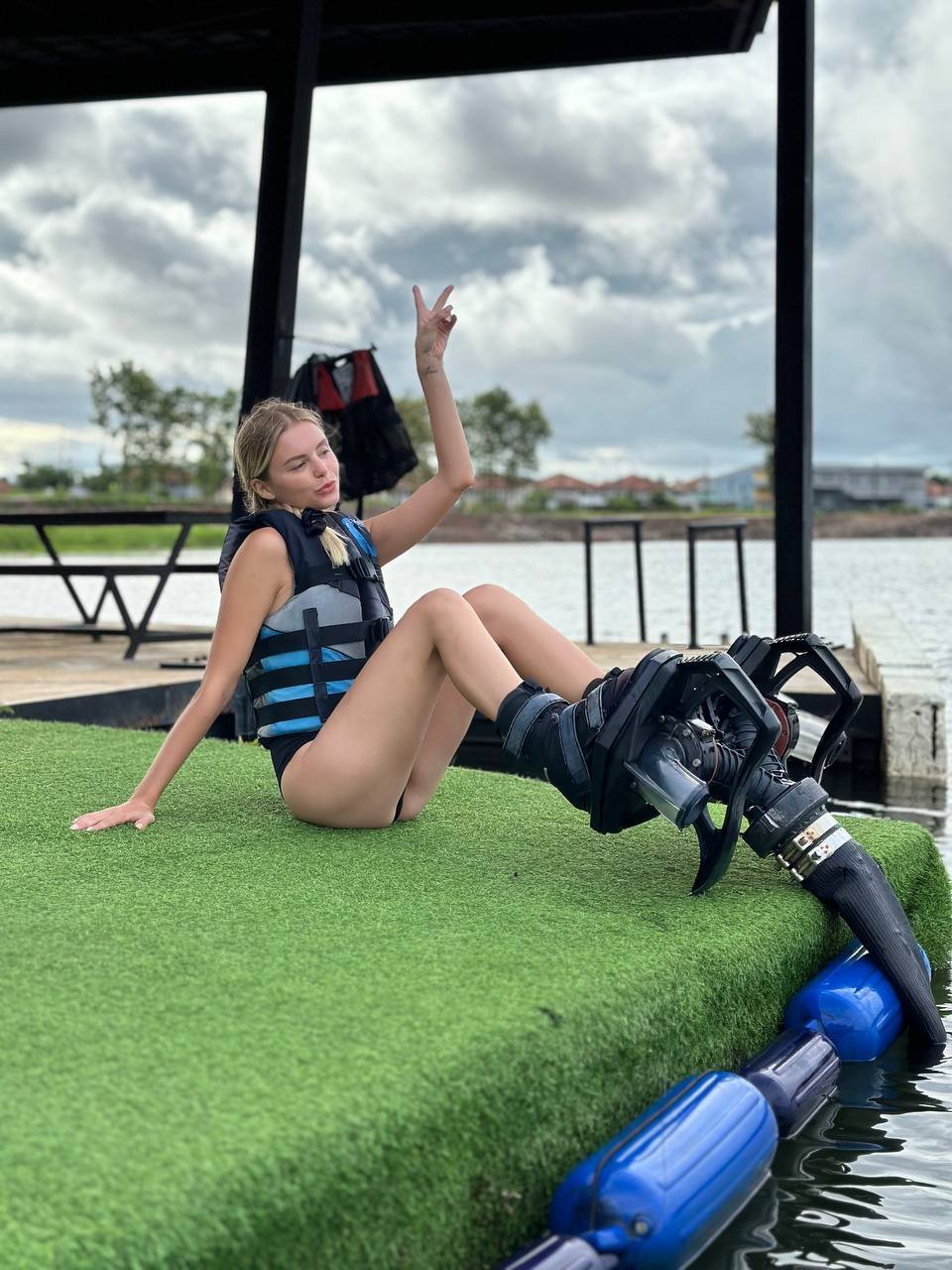
If you’re thinking about trying flyboard for the first time, “Is it safe?” is the smartest question to ask. The good news: flyboarding is designed to be beginner-friendly when you learn with proper coaching, safety gear, and controlled water conditions.
This guide explains what makes flyboarding safe, what you should do before your first session, and how to avoid the most common beginner mistakes — especially if you’re learning at a calm freshwater lake in Bang Tao, Phuket.
Quick answer: is flyboarding safe?
For most healthy adults and teens, flyboarding is safe when you train with an instructor, follow basic rules, and use proper gear. Like any water sport, there is risk — but the risk drops significantly when conditions are calm and instruction is step-by-step.
What makes flyboarding safer than it looks
1) You’re coached in real time
Beginners don’t “figure it out alone.” A coach guides you through balance, posture, and throttle response. That reduces panic reactions (the real source of most falls).
2) You wear safety equipment
Most sessions include:
-
Life vest (impact + flotation)
-
Helmet
-
Secure bindings on the board
3) Calm water matters more than strength
Choppy water and waves make it harder to balance. Calm conditions help beginners stabilize faster and fall more predictably.
If you’re training in Bang Tao on a calm freshwater lake, you typically get smoother conditions than open sea spots — which is a big safety advantage.
What to expect in your first lesson (step-by-step)
Step 1: Briefing (5 minutes)
You’ll learn:
-
Correct stance (knees soft, hips over center)
-
How to lean (small changes only)
-
Hand signals and basic safety rules
Step 2: Water start
The coach helps you find balance while the board begins lifting. Your job is to stay relaxed and upright — not to “fight” the board.
Step 3: Low stable flight
Most first-timers succeed at a low, stable hover first. Height comes later.
Step 4: Controlled turns (if time allows)
Once you can hold balance, you can learn small turns and direction control.
Tip: For a first session, many beginners progress best with a 15–20 minute lesson because it gives enough time to learn calmly instead of rushing.
👉 Ready to try? Book a session here: /flyboard-bang-tao/
Common beginner falls (and why they’re usually not dangerous)
Most falls are small and happen close to the surface. The usual causes:
-
Stiff legs (locked knees)
-
Leaning too far forward
-
Overcorrecting with big movements
-
Looking down instead of forward
In a coached session, you learn to correct these quickly — often within minutes.
Who should NOT flyboard (or should ask first)
You should check with a doctor (or avoid flyboarding) if you have:
-
Serious back/neck injuries
-
Recent surgery
-
Significant heart conditions
-
Uncontrolled high blood pressure
-
Pregnancy
If you’re unsure, message your coach first and describe your situation.
What to wear and bring (simple and safe)
-
Swimwear
-
Rash guard (optional but comfortable)
-
Sunscreen
-
Towel + water
Avoid:
-
Loose jewelry
-
Anything that can fall off (expensive sunglasses, etc.)
7 safety rules that make the biggest difference
-
Keep knees soft — never lock your legs
-
Small movements only (micro adjustments)
-
Look forward, not down
-
Don’t fight the board — relax and let it stabilize
-
Listen to coaching immediately
-
Start low — height comes after control
-
Stop if you feel pain or dizziness
Why calm water in Bang Tao helps beginners
Beginners improve fastest when:
-
water is smooth,
-
you can repeat the same movement without wave interference,
-
your coach can correct you consistently.
That’s why calm conditions are a major safety + progression advantage.
👉 Want the easiest first experience? Book at the calm lake in Bang Tao: /flyboard-bang-tao/
FAQ
Is flyboarding safe for kids?
Many locations allow teens; rules depend on size and safety conditions. Ask your coach to confirm age/weight guidance.
Do I need to be strong or athletic?
No. Flyboarding is mostly balance, posture, and calm control.
Will I fly high on the first try?
Most beginners start low and stable first. Height is a second step.
Can I add drone video?
Yes — if available, it’s usually an add-on (great for memories and social media).

Leave A Comment